
English| EUR
Suggested for you
More currencies
Choose a language
Almost every red-rock formation beyond the visitor centre parking area sits on land where independent travel is not permitted. Understanding how the Navajo Nation regulates access is the difference between a smooth arrival and being turned back at the gate. This page explains what governs entry, which zones require an accredited Navajo guide, and how to plan around it.
Quick answer
The Navajo Nation charges 8 USD per person, per day as a conservation fee to enter Monument Valley Navajo Tribal Park, and access beyond the designated public areas requires an accredited Navajo guide rather than a self-issued document. Independent hiking, camping and off-road travel in restricted zones is not permitted. The park operates 08:00–17:00 daily, and gate policy can change seasonally.
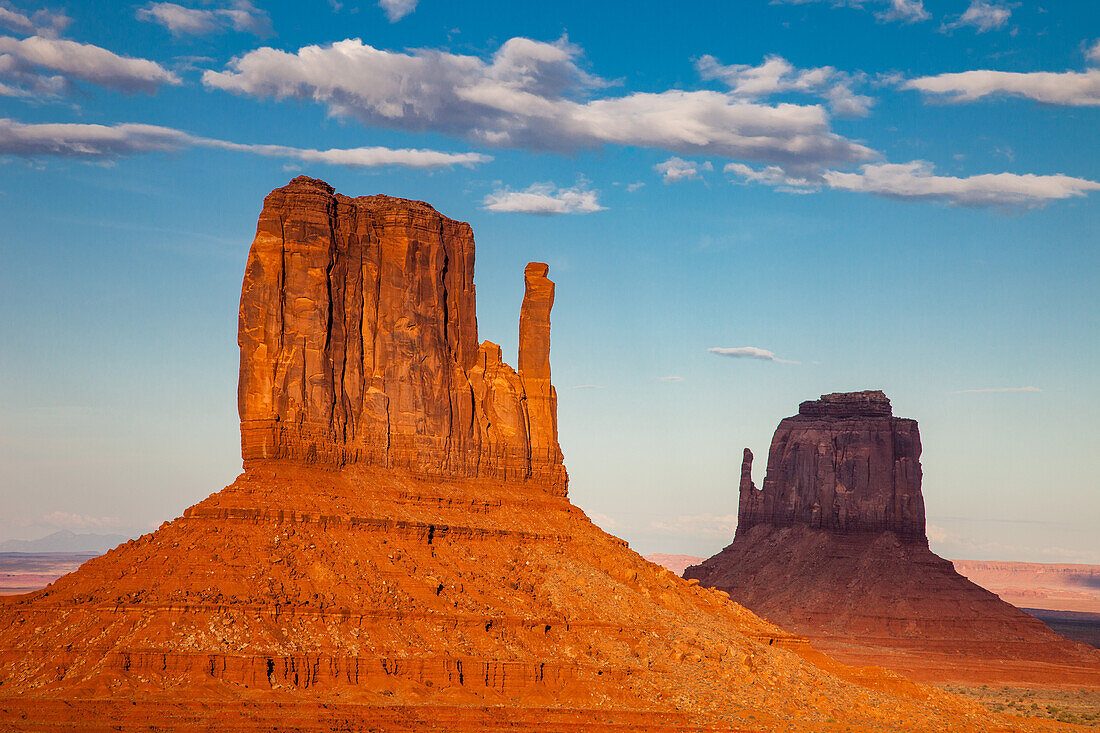
Monument Valley is not a national park. It is sovereign Navajo Nation land, administered by the Navajo Parks and Recreation Department, and that single distinction governs nearly everything a visitor can and cannot do here. Travellers searching for a monument valley backcountry permit are usually looking for the wrong instrument: the tribal park does not issue a general-purpose wilderness pass in the way the National Park Service does for Zion or Canyonlands. Access to the buttes, mesas and hogan sites beyond the public corridor is granted through accredited Navajo guides, not through a form filled in at a kiosk. What exists instead is a tiered system of access. The 17-mile Valley Drive, the visitor centre overlook and the Wildcat Trail loop around West Mitten Butte are the areas open to visitors travelling under their own power, subject to the conservation fee collected at the entry gate on Monument Valley Road. Everything else — Mystery Valley, Hunts Mesa, Teardrop Arch, Ear of the Wind, the slot canyons on the eastern side, and any overnight camping on the mesa tops — falls under guided access. Those permissions are held by licensed Navajo operators and are attached to the trip itself, which is why a Monument Valley guided tour functions as the practical equivalent of the permit most visitors are imagining. Photographers seeking sunrise on Hunts Mesa, in particular, cannot arrange it independently at any price. The practical takeaway is to plan backwards from access rather than forwards from a document. Decide which formations matter — the Mittens and Merrick Butte are visible from the public route; Mystery Valley's ruins and arches are not — then secure a guided arrangement before travelling. Summer arrivals in August 2026 should also account for heat on the unpaved surface and for the gate schedule, which closes earlier than daylight suggests. Arriving between 08:00 and 14:30 leaves enough margin to complete the scenic drive comfortably. Anyone still uncertain about the monument valley backcountry permit question can confirm current requirements directly with Navajo Parks and Recreation at +1-435-727-5870 or via navajonationparks.org, since restricted-area policy on Navajo landmarks is reviewed periodically and ceremonial closures occur without long notice.
“Access to the buttes beyond the public corridor is granted through accredited Navajo guides, not through a form filled in at a kiosk.”
This procedure walks you from confirming that your route needs a permit through to arriving with an authorised Navajo guide who holds the paperwork for restricted backcountry areas. Allow one to two weeks of lead time for arrangements, though the confirmation itself usually takes a few phone calls.
Only the 17-mile self-drive loop is open to unguided visitors; everything beyond it — side canyons, Mystery Valley, Hunts Mesa, hiking routes other than Wildcat Trail — is restricted backcountry requiring a guide and permit. People assume a park entry receipt covers these areas, and it does not.
Call the Navajo Tribal Parks office at +1-435-727-5870 or check https://navajonationparks.org/tribal-parks/monument-valley/ to confirm which permit applies to your route. Regulations change by season and by area, so verify rather than relying on an old blog post or forum thread.
Backcountry access is granted through a licensed Navajo guide, not to individuals directly, so the guide is the permit holder for your group. Check the guide is licensed by the Navajo Nation specifically, as an operator based outside the park may lack backcountry authorisation.
Supply your names, group size, intended date and route when arranging the trip; overnight or photography-specific access may require additional written approval. Same-day requests for restricted areas are routinely refused.
Once your route is settled, reserve the guided trip through the booking pages on this site so the guide can file your permit ahead of your visit.
Arrive with your booking confirmation and photo ID and stay with your guide throughout. Permits are non-transferable and cover only the named route, so detouring off it voids the authorisation.
The backcountry zones beyond the self-drive loop are Navajo tribal land and private family homesites, accessible only with an authorized Navajo guide. How visitors behave there affects residents who live and graze livestock in the valley, and access to specific sites can be withdrawn.
Monument Valley Tribal Park is open daily to visitors. These hours apply to general park access and backcountry permit holders.
Monument Valley is located along the Arizona-Utah border, accessible primarily by vehicle via U.S. Highway 163. The main entrance and visitor center are located at Monument Valley Road, Monument Valley, UT 84536.
U.S. Highway 163 to Monument Valley Road
Regional hubs to Monument Valley Road
Plan your arrival for the best arrival window of 08:00–14:30. This timing helps you avoid peak afternoon heat and ensures you have sufficient time to complete the scenic drive before the park closes.
Everything you need to know about monument valley backcountry permit
Access to the restricted backcountry areas of the park is strictly controlled and generally requires a Navajo guide. You cannot simply obtain a monument valley backcountry permit for independent exploration of these sensitive zones.
Most trails and off-limits locations within the tribal park mandate the presence of a certified local guide. Even with a monument valley backcountry permit, you are generally not permitted to hike restricted areas unescorted to protect sacred heritage sites.
The standard entrance fee is a conservation fee of 8 USD per person, per day, which grants access to public areas like the scenic drive. This is separate from the specialized access managed by guides, which is sometimes referred to as a backcountry permit.
A monument valley backcountry permit typically facilitates entry into areas that are otherwise closed to the general public. These zones contain fragile geological formations and historical sites that necessitate professional oversight to ensure preservation.
While the permit provides legal access to specific locations, park rules usually require that you be accompanied by an authorized guide. Visitors should plan to coordinate their visit through established tour operators who handle these logistical requirements.
To explore deeper into the valley, visitors should consult the official Navajo Nation Parks website for authorized tour providers. This ensures your visit complies with all tribal regulations while providing meaningful context about the landscape.
Detailed regulations regarding restricted access are maintained by the Navajo Nation Parks Department. You can find the most current guidance on their official website or by calling their office directly.